In the middle of a Norman celebration meal, everything stops. The host pours a small glass of calvados, it’s sniffed, it’s drunk, and the meal carries on. This is the trou normand, one of the best-known table rituals in France, and one of the most misunderstood.
Where does the “hole” come from?
The name comes from an old belief: the eau-de-vie would “punch a hole” in the stomach, making room for the rest of the meal. The idea of an alcoholic pause in the middle of a banquet doesn’t originate in Normandy. The Latin poet Terence was already practicing it in the 2nd century BC.
Yet it’s in Normandy that the custom took its name and its shape. It became established in the 19th century, in wedding feasts and celebrations that ran for hours and stacked course after course. Calvados, made on almost every farm, was the eau-de-vie at hand. Gustave Flaubert mentions the custom in Bouvard et Pécuchet (1881). By around 1900, “trou normand” appears in print on printed menus, between two courses.
What the science says
Let’s be straightforward about it: digestion gains nothing from it. Research on the subject, including a study published in the British Medical Journal in 2010 on rich meals paired with alcohol, shows that alcohol slows stomach emptying instead of speeding it up.
So where does the feeling of a “hole” come from? From the pause itself, which gives the stomach time to work. And from alcohol’s effect on the senses, which dulls the feeling of fullness. The trou normand works, just not for the reasons people credit it with. It’s a social ritual, and that’s already a lot: it breaks up the meal, opens a conversation, brings everyone back to the table.
The ritual, done properly
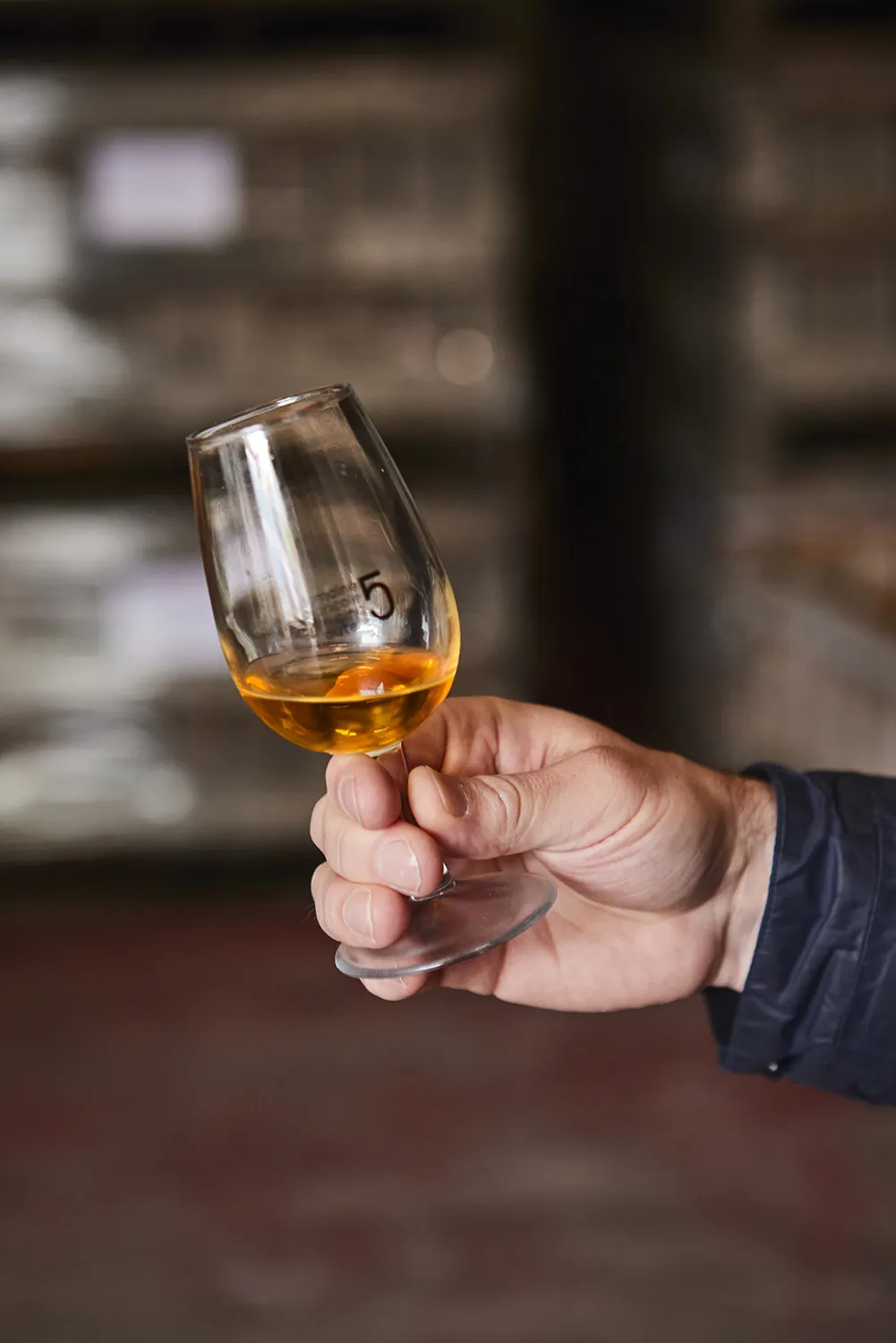
The trou normand is served in the middle of the meal, before the main course or between two rich dishes. The pour is short: two to three centilitres. Purists drink it in one go, glass half full, after taking in the aroma. Others sip it, and no one will hold that against them.
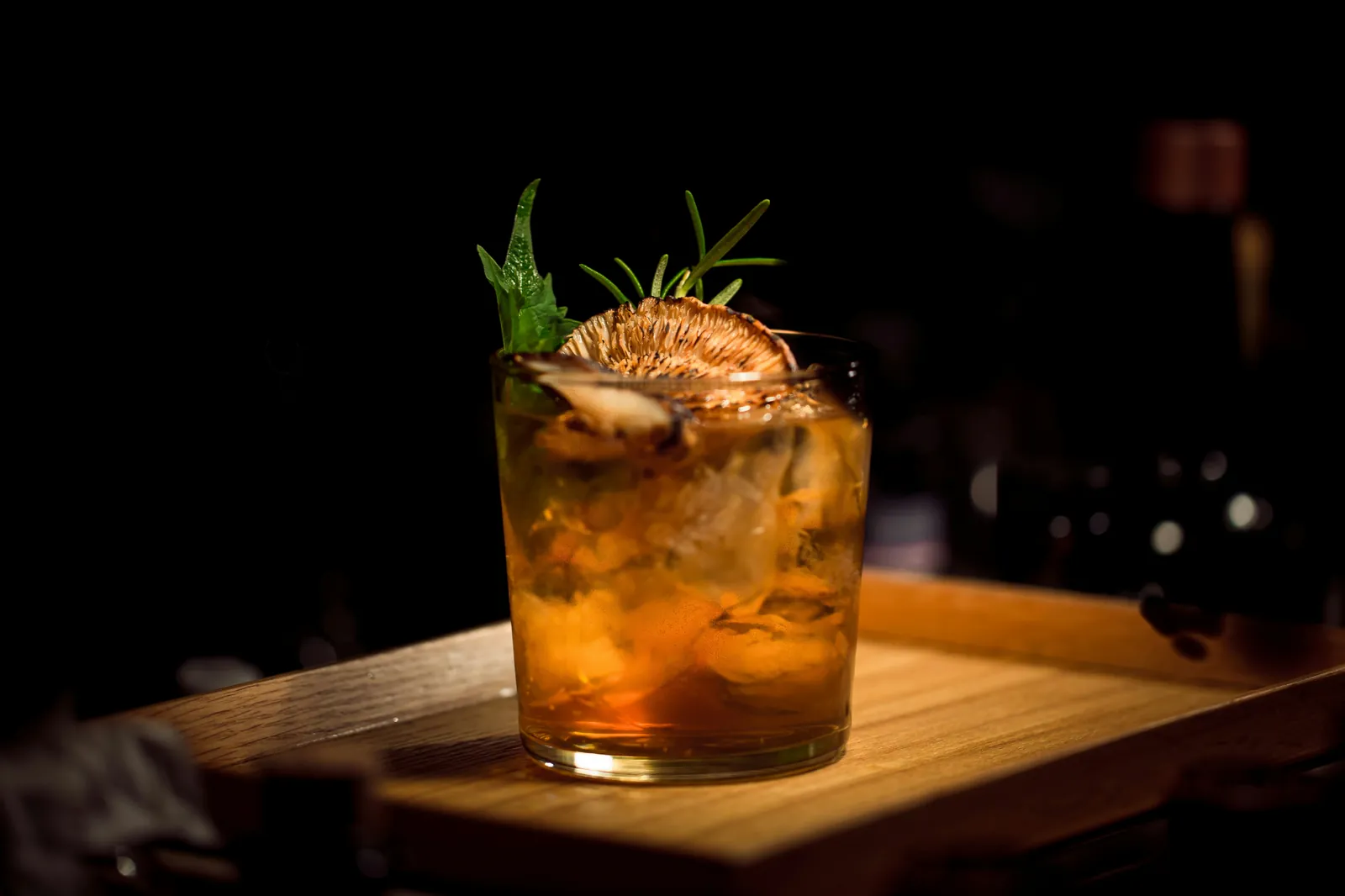
Since the 1980s, a modern version has taken hold in restaurants: a scoop of apple sorbet topped with calvados. The chill of the sorbet softens the eau-de-vie and turns the pause into a mini dessert. The two versions coexist; neither has replaced the other.
Which calvados to serve
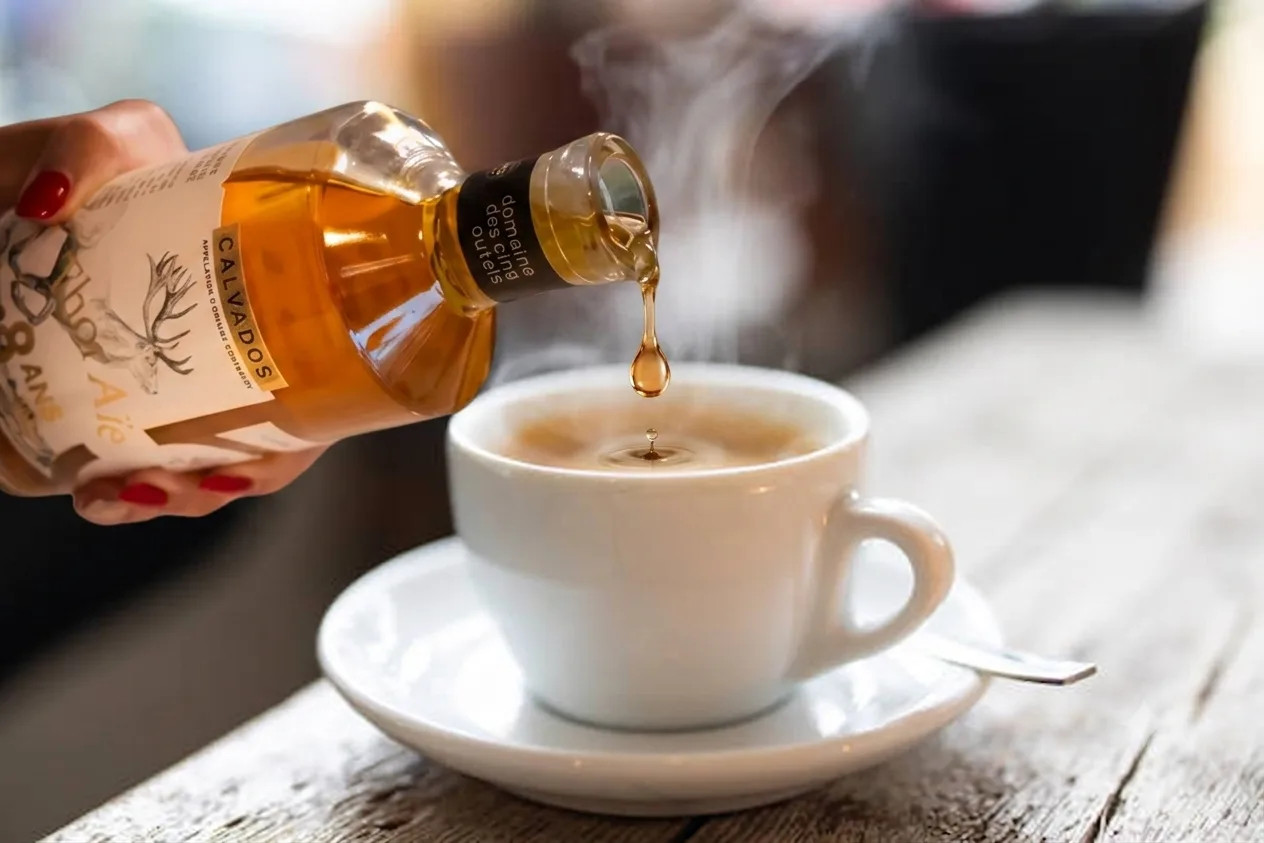
A calvados with fruit and character, not the complexity of an old calvados that deserves to be sipped slowly at the end of a meal. Our Thor Aïe (8 years) is built for this exact moment: stewed apple, honey, vanilla, and the restless energy of a young stag that lives up to its Viking war cry. It cuts through the meal without weighing it down, and its emerging roundness stands up to the rich dishes around it. Over apple sorbet, the pairing is obvious.
Bourvil, Bardot and the Trou Normand
The custom even has its own film. Le Trou normand (Jean Boyer, 1952) gave Bourvil one of his great naive-hero roles, set around a Norman inn bearing that name. It was also the first screen appearance of a 17-year-old newcomer: Brigitte Bardot.
Not to be confused with café calva
The trou normand is taken in the middle of the meal. Café calva, on the other hand, closes it: a strong coffee and a splash of calvados, after dessert. It’s another Norman ritual, with its own history, from 19th-century farms to Simenon’s café counters. We tell that story in our article on café calva.