Measuring, to know
In 2019, when we took over the estate, one question stayed with us. Half a century of organic farming had preserved our soil. But were we equal to the climate challenge? What mark were we leaving on nature?
To find out, we had to measure. We carried out our carbon footprint assessment.
With moderate fuel use for our tractor and a processing method that runs mostly on electricity, we felt fairly confident.
The assessment proved our instinct wrong. Our carbon footprint was very real. And the heaviest item wasn't the one we expected.
The container, at 86%
The verdict: 700 grams of CO₂ per bottle of cider sold. Of those 700 grams, 600 come from the glass bottle alone. That's 86% of our footprint concentrated in the container alone.
Why so heavy? We did what almost everyone does: recyclable glass bottles. Glass isn't the problem. Single use is. Each bottle was made, filled, transported, opened, then sent for recycling.
And recycling isn't the solution people imagine. Making a new bottle means melting the glass again at nearly 1,500°C. Every cycle, the manufacturing energy starts over from zero. Recycling reduces waste. Not the carbon footprint.
The solution comes down to three words: Reduce, Reuse, Recycle. The 3R rule. Reduce first, reuse next, recycle as a last resort. It's the middle step, reusing the bottle, that became our first project.
Five concrete projects
Moving beyond disposable glass
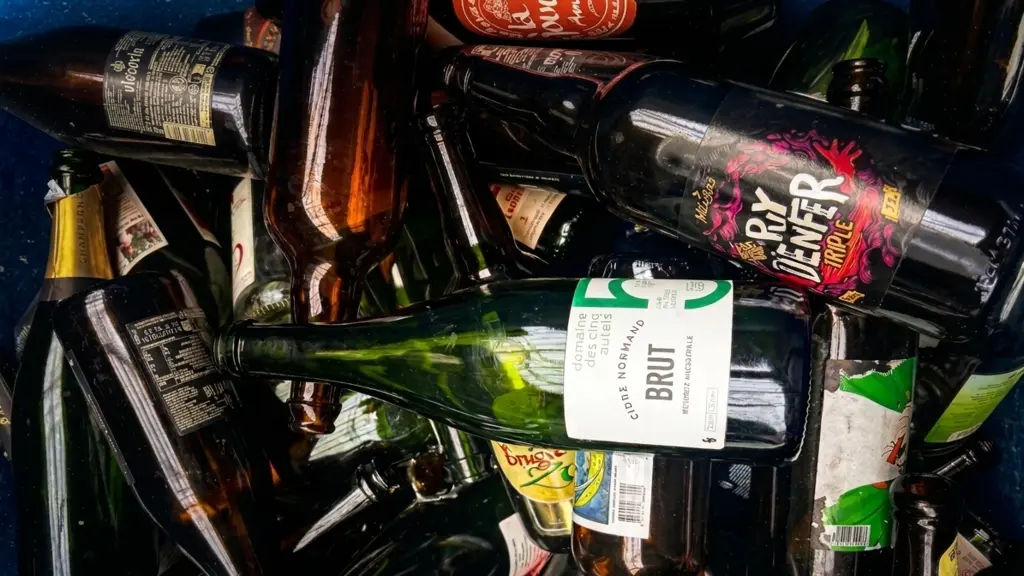
In 2025, we crossed a threshold: 100% of the bottles we produce are now reusable. A multi-year project that reshaped our entire logistics, letting us cut the largest share of our carbon footprint through this one action alone.
Discover bottle reuseTurning the estate into a carbon sink
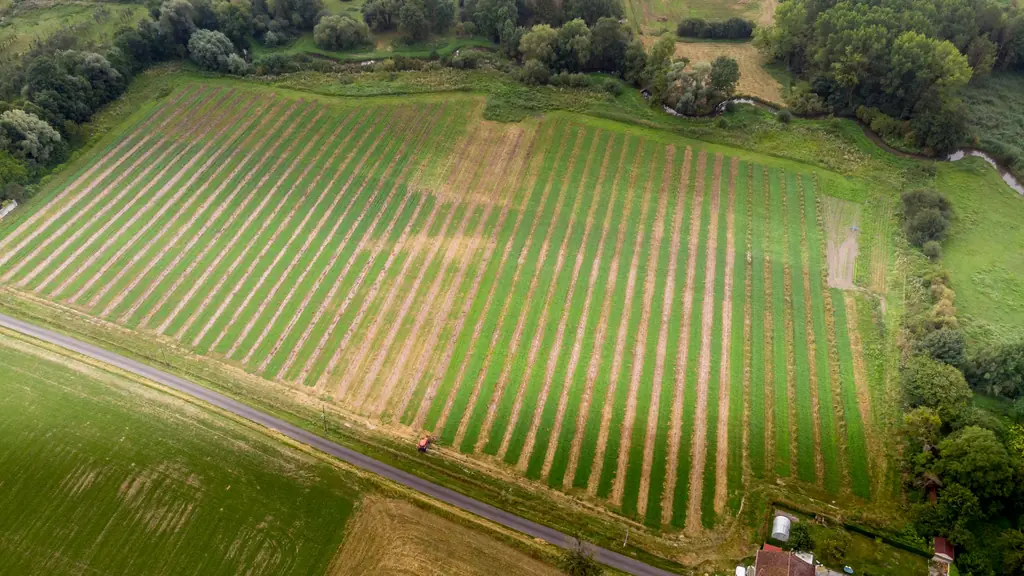
Since 2019, we've replanted 9,000 trees and a 2.6 km hedgerow. The orchard doesn't just grow apples: it also stores CO₂.
Visit the agroforestry orchardInsulating with straw
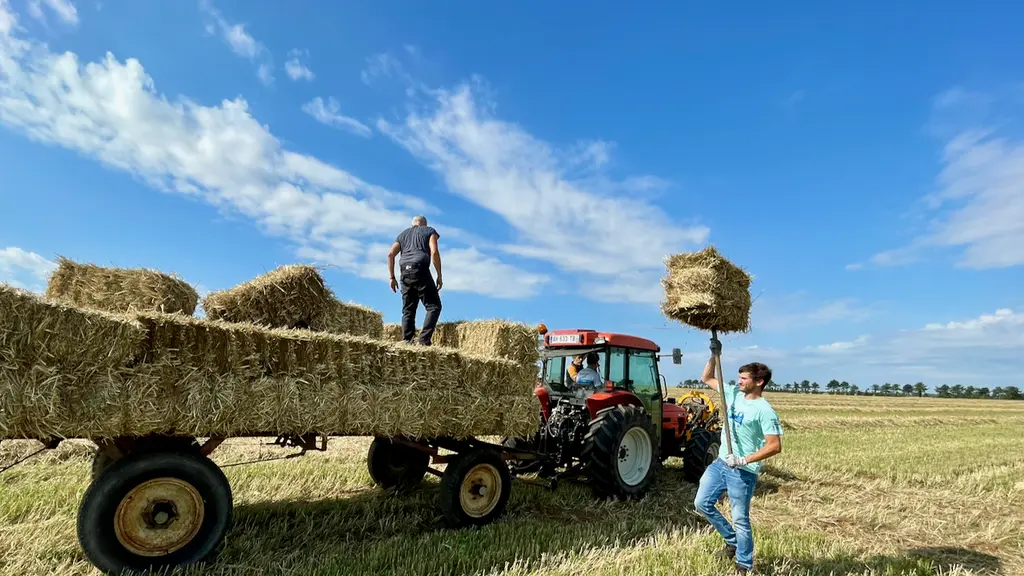
In 2023, we started a straw insulation project. 1,000 straw bales installed against the walls and roof, and in the end 75% less cooling required to keep our ciders at the right temperature.
See the straw projectLeaving the tractor in the shed
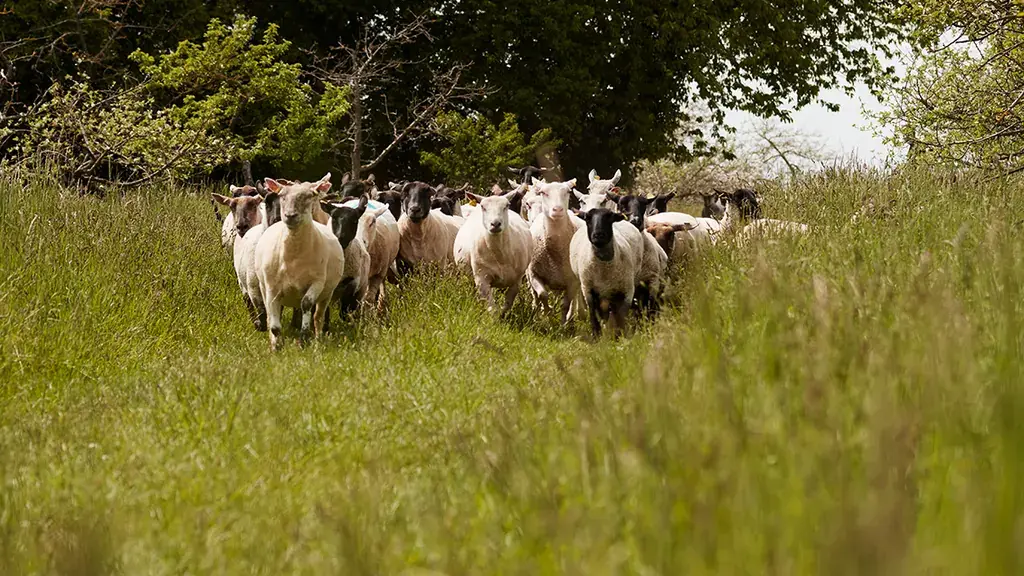
Cutting our diesel use by replacing mechanical mowing with eco-grazing. Our sheep maintain the ground between the apple trees: fewer tractor passes, more biodiversity, and manure that goes straight back into the soil.
Understand eco-grazingDistilling with wood from the orchard
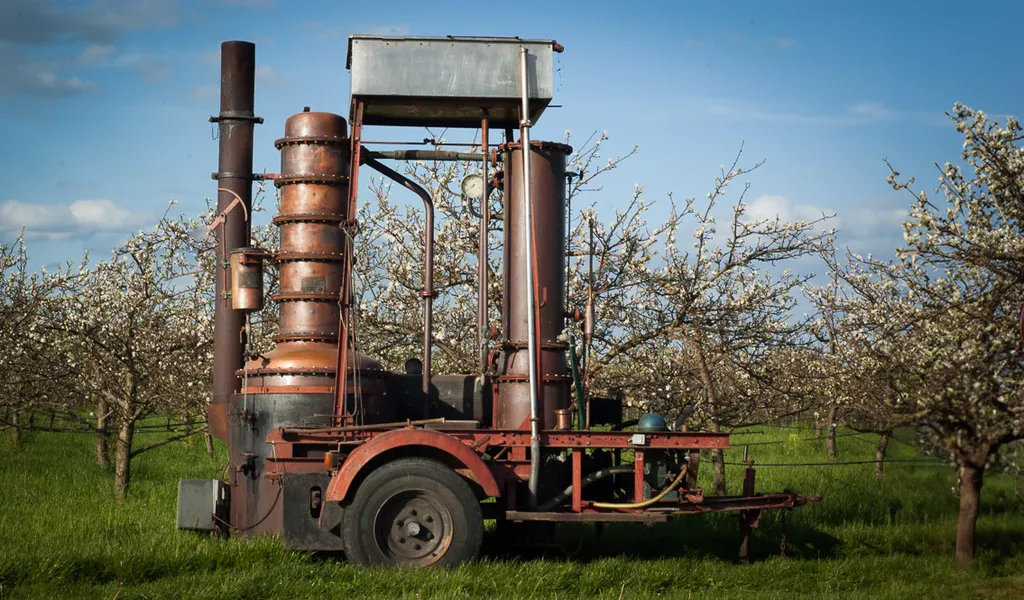
Our next project: converting our still to run on wood from apple tree pruning, instead of heating oil. Eventually, our Calvados will be distilled from a resource produced on site, with no transport and no fossil fuel.
Our still projectOur course
Five projects, with many more to come. Our course by 2030: an estate that gives back more carbon to the earth than it releases.
Not neutral. Positive.
Carbon is only one dimension of our commitments. Discover our full set of values and commitments.
Our commitments