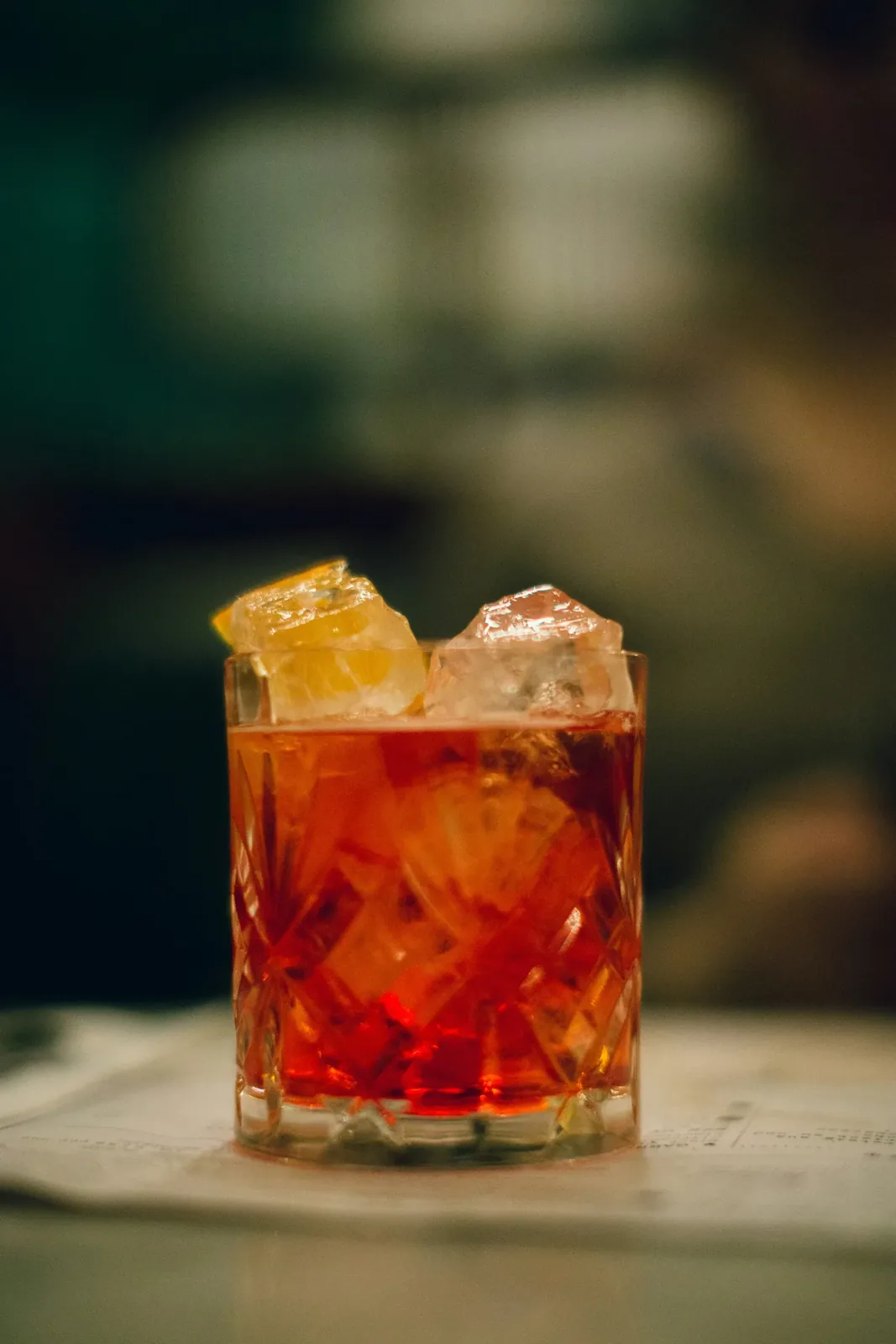
A glass of ice cider is apple distilled to its essence. Deep gold colour, notes of gingerbread and exotic fruit, a generous palate held together by acidity. Behind this concentrate lies a recent idea and a demanding method.
A Quebec invention
Ice cider is born in the winter of 1989-1990, in Quebec. A winegrower from Dunham, in the Eastern Townships, Christian Barthomeuf, picks frozen grapes to make ice wine. Looking at his neighbour’s orchard, he asks a simple question: why not do the same with apples? Two elements of the Quebec terroir, the apple and the cold, are enough.
His first trials produce a sweet, luscious cider, which he starts selling in 1992. The name “ice cider” isn’t authorised until 1999. In 2007, the Fundación de la Sidra, in Spain, honours Barthomeuf for inventing the recipe. Quebec turns it into a recognised appellation, protected since 2014.
Cold as a tool
The principle rests on a property of water. When it freezes, it separates from the sugar. By working the apples or their juice with cold, you recover a liquid that’s far more concentrated, denser, sweeter. It’s this concentrate that ferments into ice cider.
Two methods are commonly used.
Cryo-concentration: the apples are pressed first, then the juice is exposed to the winter cold. The water freezes on the surface, it’s removed, and the remaining juice is sweeter.
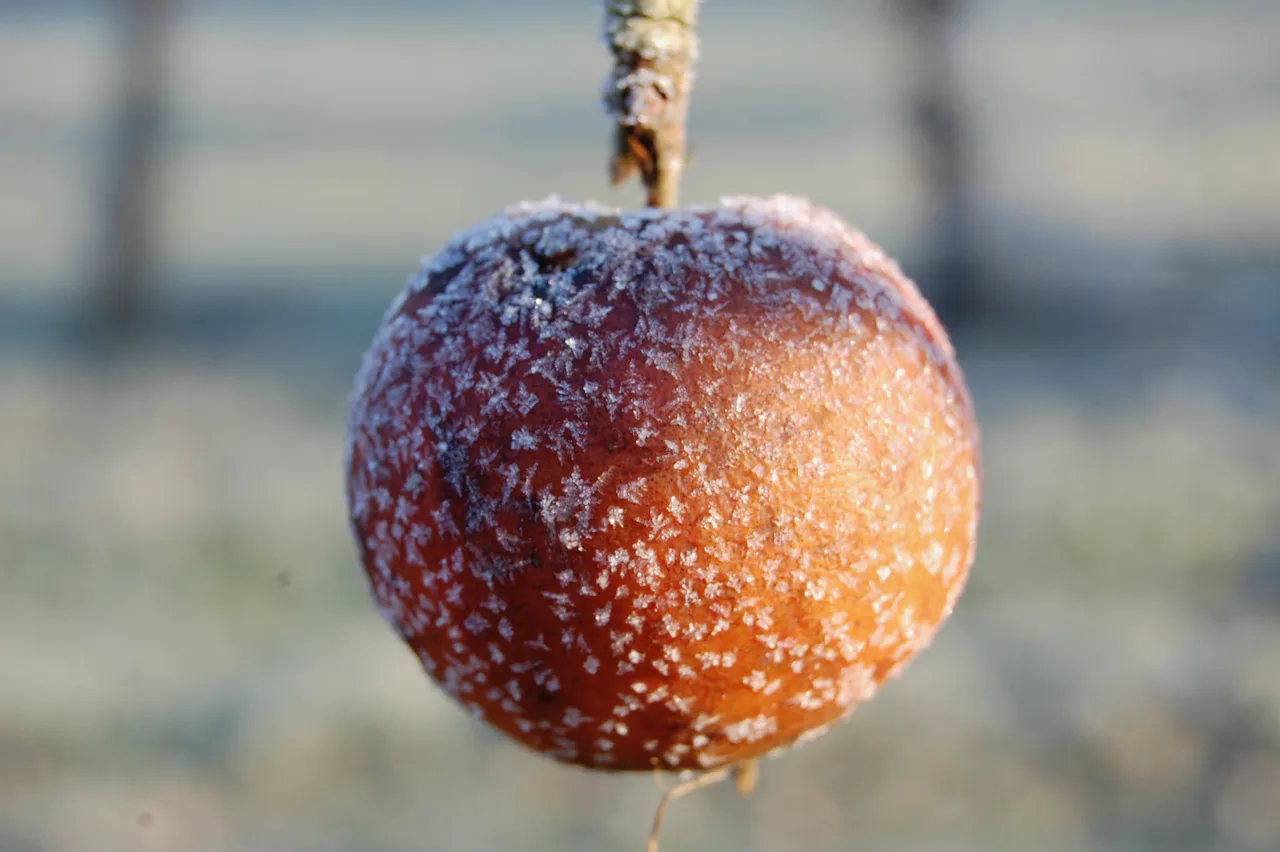
Cryo-extraction: the whole apples are frozen before pressing. The water stays locked in ice inside the fruit, and only the dense juice runs at the press. It’s the most demanding method, and the rarest.
In both cases, it takes a large quantity of apples for a small volume of juice. That’s what explains the price and rarity of ice cider, in France even more than in Quebec, where producers can be counted on one hand.
Our Zéro Absolu
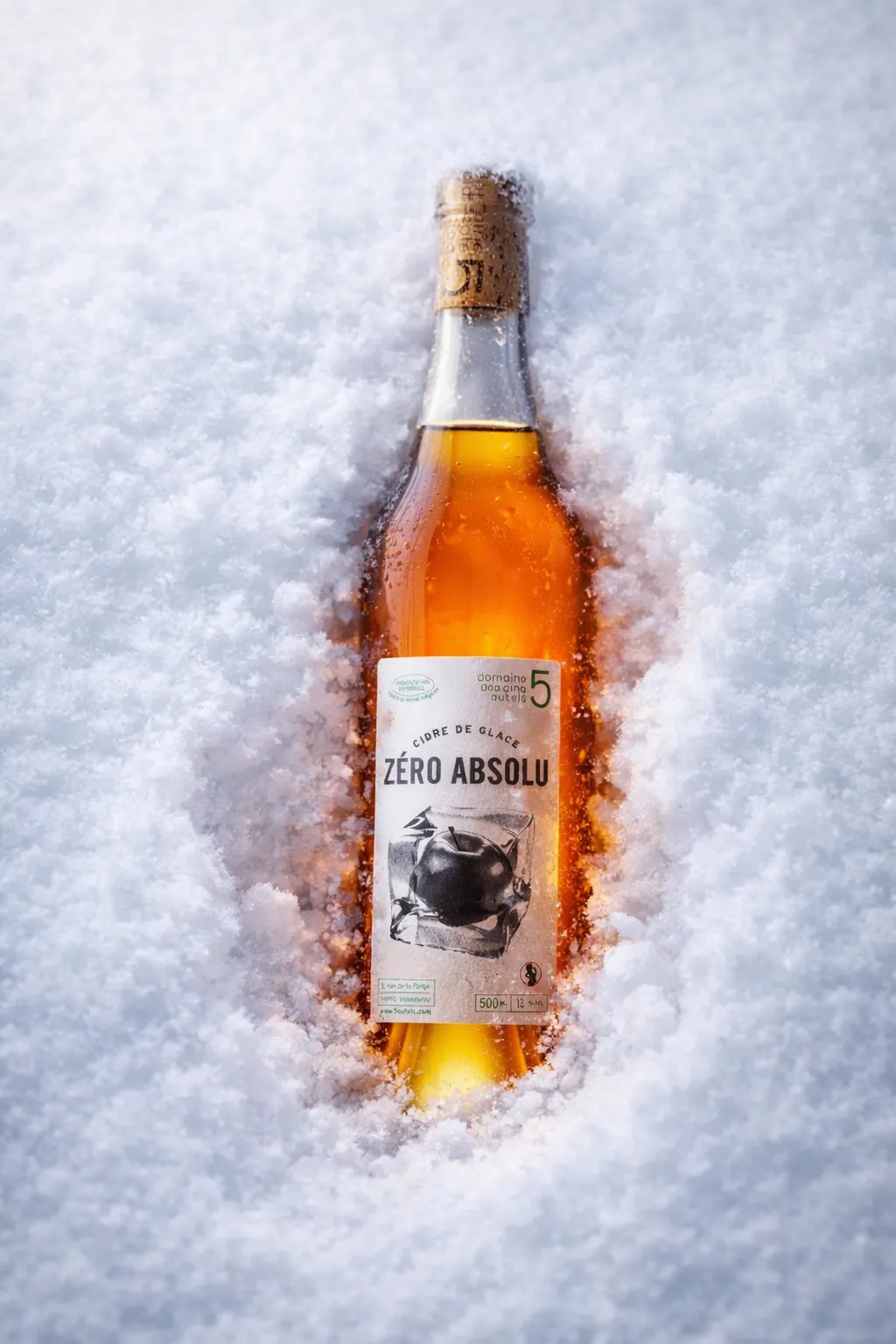
We make our ice cider from the apples of our Valambray orchard, grown organically since 1967. Our route differs from both of the above: we press the apples, we make the cider, and it is that already fermented cider we freeze. Freezing separates out the water, and the fraction concentrated in sugar and aroma is recovered as it thaws. The result runs 12% vol and keeps a high sweetness, held in check by the apple’s natural acidity.
The name, Zéro Absolu, comes from the cold. Absolute zero is the lowest temperature there is, the one without which this cider wouldn’t exist.
What it’s like on the palate
The colour is deep gold. The nose gives candied apple, honey, dried fruit. The palate is generous, on gingerbread and exotic fruit, never heavy: the apple’s acidity cuts the sugar and extends the finish, which closes on a subtle salinity.
It’s a dessert wine. Served chilled, in a small glass, at the end of a meal. With foie gras as an aperitif, it plays the same role as a Sauternes, with more lift. With a tarte Tatin, it’s apple answering apple. With a Roquefort or dark chocolate, the sweet-and-salty and the sweet-and-bitter find their balance.
A bottle lasts a long time: a small pour is enough each time. It’s the kind of bottle you open for an occasion, and one that extends it.