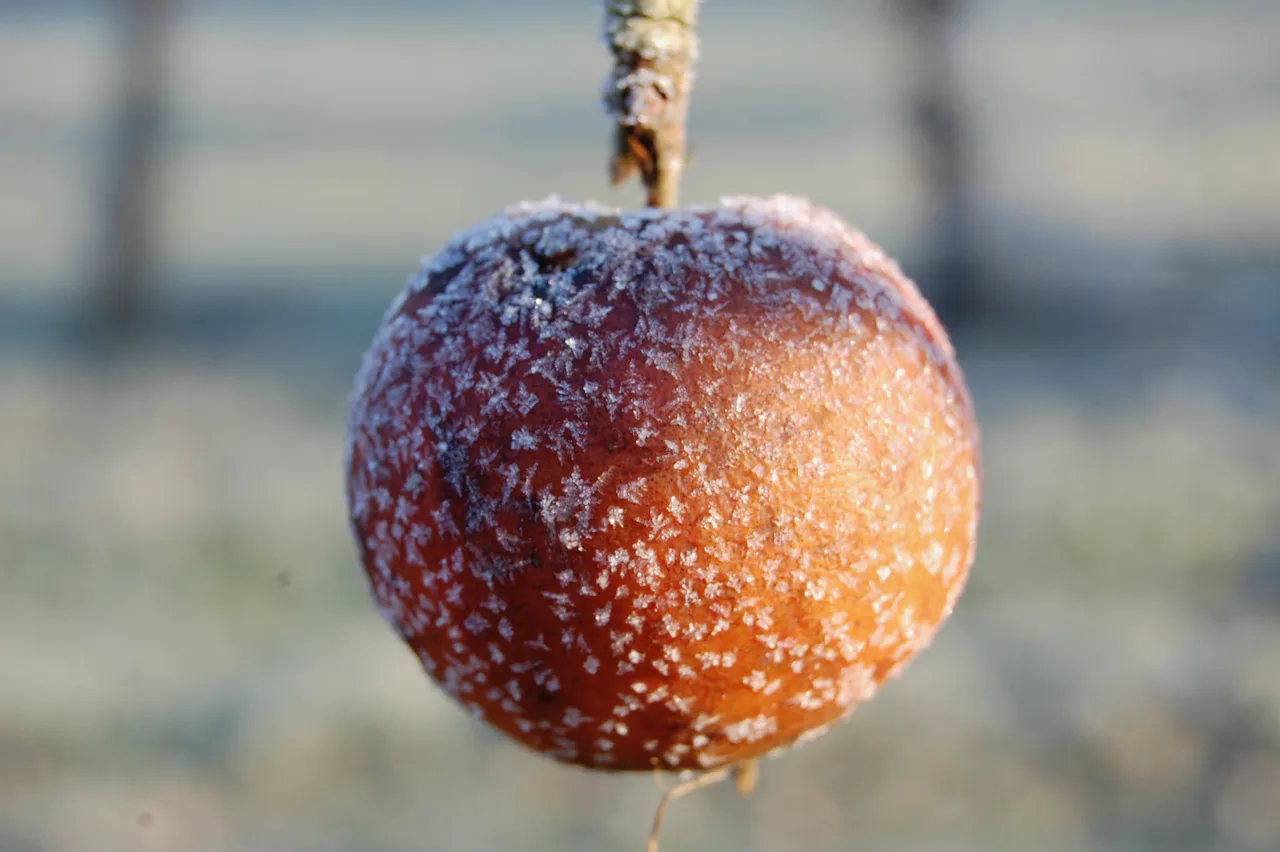
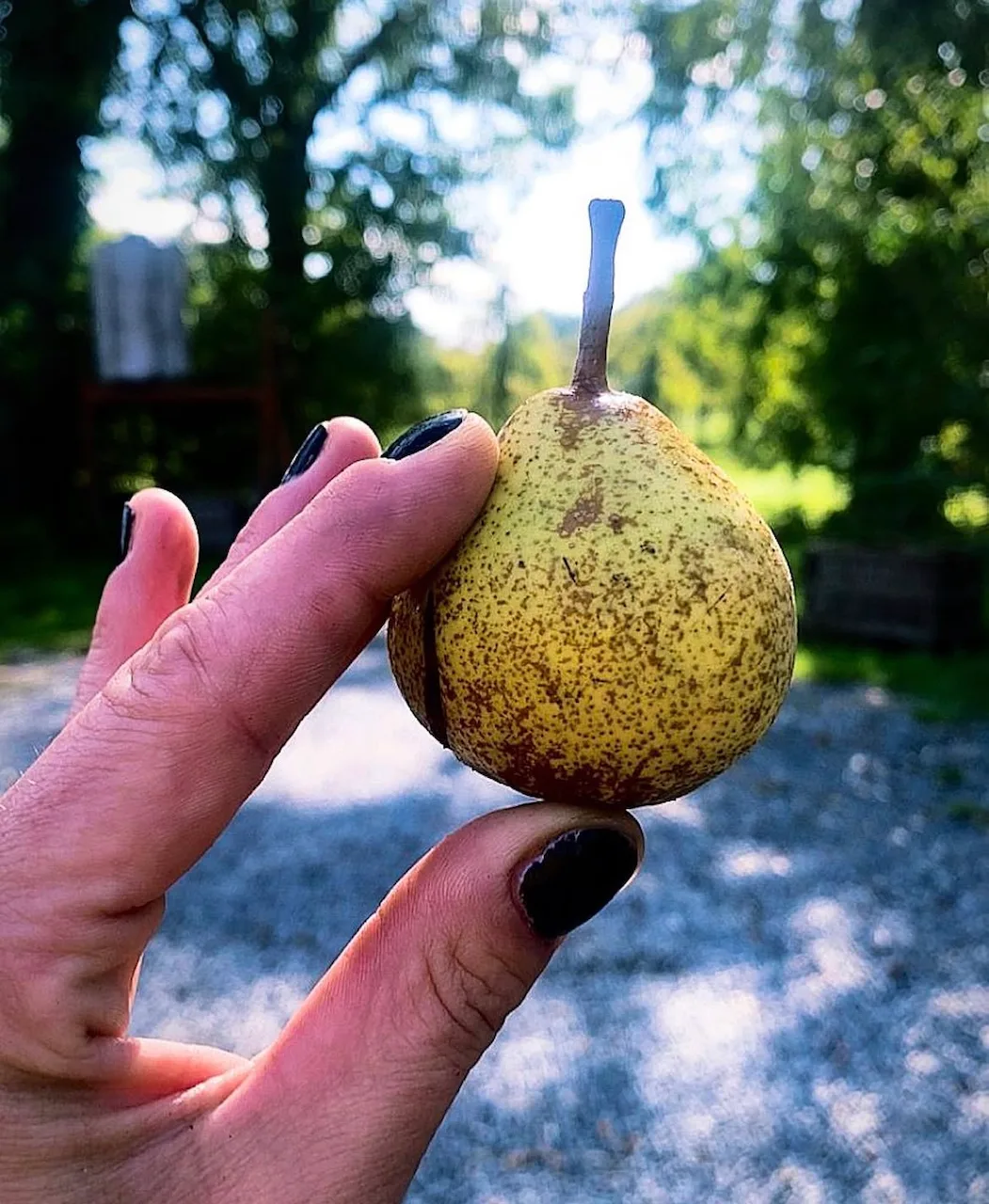
Perry is a fermented drink made from pears. A cousin of cider, it shares the method but not the fruit. An old Norman drink, long overshadowed by cider and Calvados, it’s making its way back onto the tables of fermented-drink enthusiasts. Here’s what to know before you try one.
What is perry?
Perry is fermented pear juice. The principle is the same as cider: press the fruit, collect the juice, let it ferment. The sugar turns into alcohol and bubbles. What changes is the raw material. No apple, just pear.
The result is a lightly alcoholic drink, often sparkling, low in strength. Most perries run between 3.5 and 5% vol. That’s less than a typical cider, far less than a wine. Its colour ranges from very pale yellow to light gold, its bubble is fine, and its taste carries ripe pear and floral notes.
The perry pear, a fruit apart
You don’t make perry with market pears. Perry is made from perry pears, dedicated varieties, different from dessert pears.
These pears are small, firm, rich in tannins. Raw, they’re astringent, almost inedible. It’s precisely those tannins and that acidity that give perry its structure and backbone. Like cider apples set against eating apples, the perry pear isn’t made to be bitten into. It’s made to be pressed.
Perry pear orchards include trees that are sometimes a century old, tall and slow to come into production. That’s one reason perry has stayed rare: the pear tree demands patience where the apple tree bears fruit faster.
An overlooked Norman tradition
Perry is a drink of western France. Its historic heart is the Domfrontais, around Domfront in the Orne department, where it holds a protected designation of origin, the AOP Poiré Domfront. It’s also found in the Mayenne and on the fringes of Brittany.
For a long time, perry was a farmhouse drink, drunk locally, rarely sold commercially. Cider and Calvados took all the light. Perry stayed a niche product, made by a handful of farms attached to their old pear trees. That low profile is also what makes it a sought-after find today with specialist drinks shops and fermentation enthusiasts.
At Domaine des Cinq Autels, in the Calvados department, we grow our pears alongside our ciders. They’re organic, IGP Normandie, no added sulfites, like the rest of the range.
How perry is made
The base is simple: press the pears, let the juice ferment with natural yeasts. From there, several methods exist, and they produce very different perries.
The méthode ancestrale, or pet’nat (naturally sparkling), bottles the juice before fermentation finishes. The gas it produces stays trapped and creates the bubble, with no added CO2. The perry is lively, fruity, meant to be drunk young. That’s the profile of our Cuvée André.
The traditional method on the lees takes longer. After the sparkle develops, the perry spends months in contact with its lees, the spent yeast, much like a great Champagne. This ageing brings notes of brioche and dried fruit, a creamy texture and a finer bubble. Then comes disgorgement, which expels the sediment and leaves the perry clear. That’s the method behind our Cuvée Abel, aged 18 months on the lees.
In both cases, our fermentation starts from the cellar’s wild yeasts, with no added yeast and no added sulfites. Perry is a living product, one that expresses itself differently depending on the method.
How to taste perry
Perry is served chilled. Allow 6 to 8°C for a lively pet’nat, 8 to 10°C for a traditional-method perry. A white wine glass is enough, it reveals the nose better than a flute.
At the table, its freshness and low strength make it a versatile companion:
- As an aperitif, on its own or with toasts and dried fruit.
- At brunch, where its light bubble lifts sweet-and-savoury dishes.
- With mild cheeses or soft-paste cheeses, whose richness it balances.
- With fruit desserts, tarts and poached pears leading the way.
A perry aged on the lees, more structured, also stands up to gastronomic dishes, seafood or smoked salmon. That’s where it moves past its image as a simple drink.
Our two organic perries
We make two perries, in two opposing styles. The choice is yours, depending on the moment.
Perry · direct from the estate
Two organic perries, pressed from heirloom pears grown in the orchard, fermented with the cellar's wild yeasts, no added sulfites, in a 75cl bottle.
-
André, perry pet'nat'
Naturally sparkling, dry and taut. Fresh pear, white blossom, notes of lychee. Fine bubble, clean and thirst-quenching finish. 4.5% vol.
Pairs withAperitif, brunch, fruit desserts, mild cheeses.
-
Abel, extra-dry perry
Traditional method, 18 months on the lees then disgorged. Ripe pear, brioche, fresh butter, honey. Fine bubble, length on the palate. 4.8% vol.
Pairs withSeafood, aged cheeses, gastronomic dishes, aperitif.
To discover perry, start with André, more direct. Save Abel for a more elaborate table.
Perry deserves better than the obscurity history left it in. A fruit drink, low in alcohol, born of trees that take their time, it tells a quieter Normandy than the one cider tells. One glass is often enough to understand why enthusiasts seek it out.